

“You can’t leave, the place would fall apart without you.”
I’ve heard those words countless times throughout my corporate career, and they always created a complex mix of pride and pressure. Being the person who brings order to chaos and keeps everything running smoothly, felt meaningful — but it also created an invisible weight of responsibility that followed me everywhere.
What I never expected was to recognize that same dynamic playing out in my living room, with my cats.
The realization hit me one evening when I was preparing for a three-day business trip. As I pulled out my suitcase, I noticed my cat retreating to her hiding spot in the cellar — the same sanctuary I’d created for her during her cystitis recovery. She wasn’t physically ill this time, but something about my departure preparations was triggering the same stress response that had once driven her to seek safety in isolation.
That’s when I understood that separation anxiety in cats operates on the same emotional spectrum as workplace dependency — the fear that departure equals abandonment, that absence threatens security, and that independence feels dangerous rather than empowering.
Through my systematic approach to understanding feline behavior, I’ve identified that separation anxiety in cats rarely exists in isolation. It’s typically part of a broader pattern that includes multiple stress indicators working together – from changes in vocalization and elimination patterns to subtle shifts in social engagement and routine sensitivity. This is why I developed a comprehensive framework for recognizing the interconnected signs that help cat parents understand the complete picture of their cat’s emotional wellbeing.
The Corporate Parallel Nobody Talks About
In my professional life, being told “you can’t leave” created a cycle of protective behavior. I shielded my team from corporate bureaucracy, took ownership of issues beyond my job description, and became the reliable constant in an unpredictable environment. The more indispensable I became, the more anxious everyone felt when I wasn’t available to solve problems or provide stability.
Signs of separation anxiety in cats follow a strikingly similar pattern. Cats experiencing this type of anxiety often become hyper-attached to their primary caregiver, following them from room to room, becoming distressed during departure routines, and struggling to function normally when left alone. Just as workplace teams can become overly dependent on one person’s problem-solving abilities, cats can develop emotional dependency that makes normal separations feel catastrophic.
The parallel extends to the aftermath of reunion as well. In corporate settings, I often returned from time away to find that small issues had become major problems, that routine tasks had been avoided, and that there was an underlying tension that took time to resolve. My cats showed remarkably similar patterns — but with a twist that caught me completely off guard.

The Silent Treatment: When Cats Punish Through Indifference
Nothing prepared me for the first time I returned from a multi-day trip to find my usually affectionate cat completely ignoring me. Not just avoiding interaction — actively turning away when I approached, refusing her favorite treats, and maintaining an air of dignified indifference that felt unmistakably like punishment.
This behavior shattered my understanding of how cat anxiety symptoms typically manifest. I expected clingy, attention-seeking behavior upon my return. Instead, I was confronted with what can only be described as the feline equivalent of the silent treatment. My cat wasn’t hiding or showing obvious distress — she was making a point through calculated emotional distance.
The first day back, she would acknowledge my presence with brief glances before deliberately looking away. She continued her normal routines — eating, using the litter box, even playing with her favorite toys — but acted as if I were a stranger in her space rather than the person she typically followed from room to room.
This response often lasted two to three days, gradually softening as she apparently decided I had been sufficiently punished for my absence. The transition back to normal affection was equally deliberate — tentative approaches that tested my availability, brief moments of contact that could be quickly withdrawn, and finally, the full restoration of our usual bonding behaviors.
Understanding the Psychology Behind Feline Punishment
What I initially interpreted as spite or manipulation was actually a sophisticated stress response that demonstrated just how complex cat anxiety and aggression can be. Cats experiencing separation anxiety don’t just miss their humans — they can feel genuinely betrayed by departures that disrupt their sense of security and routine.
The silent treatment serves multiple psychological functions for anxious cats. It protects them from immediate vulnerability while they assess whether their human can be trusted not to disappear again. It also provides a sense of control in a situation where they had none, allowing them to dictate the terms of emotional reconnection rather than immediately returning to the dependent dynamic that made the separation so distressing.
This behavior pattern revealed something crucial about cat anxiety treatment — addressing separation anxiety isn’t just about helping cats cope with departures, but also, and perhaps more so, about building their confidence in the reliability of returns and their own emotional resilience during times of change.
The Gradual Escalation of Separation Distress
Separation anxiety in cats rarely develops overnight. In my experience, it builds through a series of small dependencies that seem harmless until they create a web of emotional reliance that makes normal separations feel threatening to the cat’s sense of security.
The progression often begins with increased following behavior — a cat who starts showing up in more rooms, positioning themselves where they can monitor their human’s activities, or developing sudden interest in previously ignored household routines. This heightened attention might feel flattering initially, but it can signal the early stages of anxiety-driven attachment.
Cat anxiety symptoms then evolve to include distress during departure preparations. Cats learn to recognize the signals that indicate their human is preparing to leave — suitcases, certain clothing choices, changes in morning routines — and begin showing stress responses hours before the actual departure occurs.
The most challenging aspect of feline separation anxiety is how it can fluctuate based on factors that seem unrelated to the separation itself. A cat might handle brief departures well but become distressed by longer absences, or cope with routine trips while struggling with departures that occur at unexpected times or involve unfamiliar preparation behaviors.
Environmental Factors That Amplify Separation Stress
Through careful observation of my cats’ responses to different types of departures, I’ve identified environmental factors that significantly influence the severity of separation anxiety in cats. The physical environment during separations plays a crucial role in whether cats feel secure or abandoned.
Cats experiencing separation anxiety often seek out spaces that carry their human’s scent most strongly during departures. They might spend extended time on beds, favorite chairs, clothing, or even on or inside the suitcase, using these scent connections to maintain a sense of emotional proximity. However, this same behavior can become problematic if these comfort zones are disrupted or unavailable during separations.
The presence or absence of other pets also dramatically affects separation responses. In multi-cat households, one cat’s separation anxiety can trigger stress responses in other cats, creating a cascade of behavioral changes that persist well beyond the human’s return. Alternatively, the presence of a confident, calm companion cat can sometimes provide enough social stability to reduce separation distress.

Recognizing the Difference Between Separation Anxiety and Other Behavioral Issues
Not every behavioral change related to departures indicates true separation anxiety in cats. Understanding the distinction is crucial for developing effective cat anxiety treatment strategies that address the actual underlying issues rather than symptoms that might have different causes.
True separation anxiety typically involves behavioral changes that occur specifically in response to departure cues and continue throughout the separation period. These might include destructive behavior, inappropriate elimination, excessive vocalization, or withdrawal that begins during departure preparations and persists even after reunion.
In contrast, cat anxiety and aggression can also be exhibited by cats around departure times without necessarily being related to separation anxiety. These cats may feel territorial pressure, resource competition, or environmental stress because of the disruption in routine caused by an impending departure, rather than the departure itself.
In these cases, the distress isn’t specifically triggered by the human’s absence but just happens to coincide with their departure. These cats often respond well to environmental modifications and stress reduction techniques that don’t necessarily address separation-specific issues.
The Hidden Health Impact of Chronic Separation Stress
The physical toll of unaddressed separation anxiety in cats extends far beyond the obvious behavioral symptoms. Chronic stress affects feline immune systems, digestive health, and overall physical well-being in ways that can create secondary health problems requiring medical intervention.
Cats experiencing ongoing separation distress often develop changes in eating patterns that can lead to weight loss or gain, digestive sensitivities, and nutritional deficiencies. The stress hormones associated with anxiety can suppress immune function, making cats more susceptible to respiratory infections, skin conditions, and other health issues.
Perhaps most concerning is how feline separation anxiety can trigger or exacerbate existing health conditions. Cats with predispositions to urinary tract issues, digestive problems, or skin sensitivities often experience flare-ups during periods of high separation stress, creating a cycle where anxiety causes physical symptoms that then increase overall stress levels.
Systematic Approaches to Building Independence
Addressing separation anxiety in cats requires a systematic approach that builds the cat’s confidence in their own emotional resilience while maintaining the security of the human-cat bond. This isn’t about creating emotional distance or reducing attachment, but rather about fostering healthy independence that allows cats to feel secure even during temporary separations.
The foundation of effective cat anxiety treatment for separation issues involves gradually increasing the cat’s comfort with independence through positive experiences. This might include creating engaging solo activities, establishing safe spaces that provide comfort during departures, and building positive associations with departure cues rather than trying to eliminate stress responses entirely.
Environmental enrichment plays a crucial role in separation anxiety management. Cats need access to resources and activities that provide mental stimulation, physical comfort, and emotional security during alone time. This includes puzzle feeders, comfortable hiding spots, access to favorite views or sunny areas, and environmental elements that maintain connection to their human’s scent without creating dependency.
The Role of Routine in Managing Separation Stress
Cats experiencing separation anxiety often find comfort in predictable routines that provide structure and security around departure and return experiences. However, the goal isn’t to create rigid schedules that increase anxiety when disrupted, but rather to establish flexible patterns that support the cat’s emotional well-being.
Effective routine development involves creating positive departure rituals that help cats understand what to expect and provide comfort during the transition to alone time. This might include special treats, engaging toys, or access to favorite resting areas that become available specifically during departures.
Return routines are equally important, particularly for cats who respond to reunions with withdrawal or apparent punishment behavior. Understanding that this response is a stress reaction rather than spite allows for patient, consistent approaches that rebuild connection without forcing interaction or escalating the cat’s anxiety.
Supporting Multi-Cat Households Through Separation Challenges
Separation anxiety in cats becomes more complex in households with multiple cats, where individual anxiety responses can trigger stress in other cats or where social dynamics shift during the human’s absence. Each cat may have different attachment styles and stress responses that require individualized consideration within the overall household management approach.
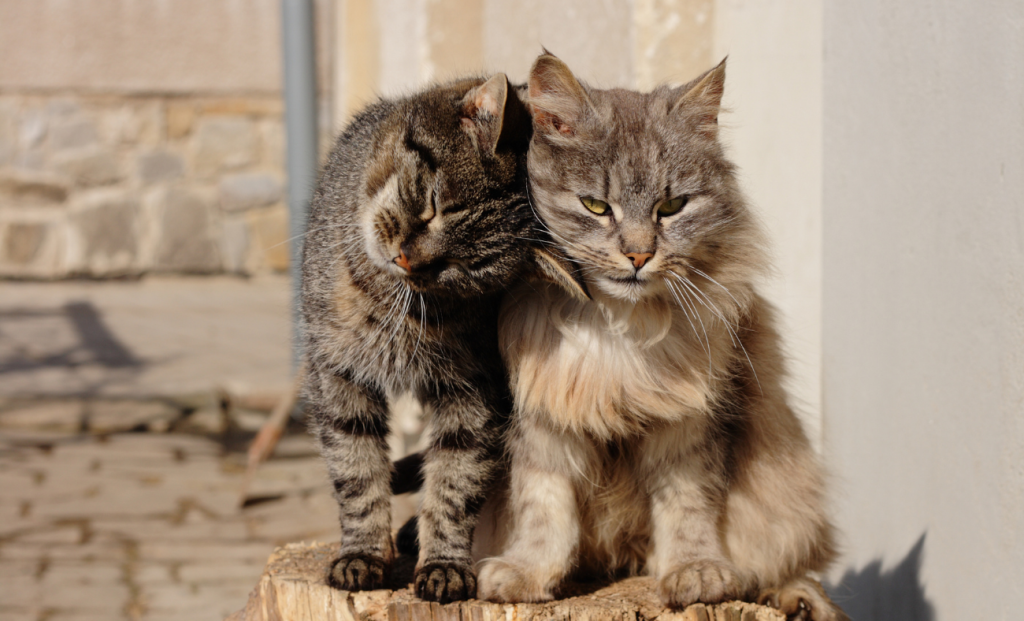
Some cats find comfort in the presence of other cats during separations, using social grooming, shared sleeping spaces, or play interactions to manage their stress. Others may experience increased competition for resources or territorial pressure that amplifies their separation anxiety rather than providing comfort.
Building Long-Term Emotional Resilience
The ultimate goal of addressing cat anxiety symptoms related to separation isn’t simply to eliminate distress responses, but to build genuine emotional resilience that allows cats to navigate temporary separations with confidence. This involves understanding each cat’s individual personality, stress triggers, and comfort needs well enough to provide appropriate support without creating dependency.
Successful separation anxiety management becomes an ongoing partnership built on trust, consistency, and respect for the cat’s emotional needs. The cats who develop the strongest independence are those whose humans have learned to provide security without fostering dependency, understanding that true attachment includes confidence in the reliability of reunion.
Your Journey from Dependency to Independence
Recognizing separation anxiety in cats and developing effective responses requires patience, observation, and commitment to your cat’s emotional well-being. The journey from anxious attachment to confident independence mirrors many human relationship dynamics — it’s about building trust, providing security, and fostering resilience that allows for healthy separation and joyful reunion. That’s why I developed the Cat Stress Signal Checklist. To help cat parents just like you.
Whether your cat responds to departures with obvious distress or punishing indifference, understanding the emotional complexity behind their responses opens the door to more effective support strategies. Separation anxiety is just one piece of a larger puzzle that includes multiple stress indicators working together to communicate your cat’s emotional needs.
Every cat deserves to feel secure in their attachments while maintaining the emotional strength to thrive during temporary separations, creating the foundation for a lifelong relationship built on mutual trust and genuine well-being. That’s why I developed the Cat Stress Signal Checklist to help cat parents just like you systematically assess not only separation-related behaviors, but the complete spectrum of stress indicators that affect your cat’s daily emotional experience.
So, if you’re ready to dive deeper into your cat’s emotional wellbeing beyond just separation issues, then download our FREE comprehensive Cat Stress Assessment Checklist: The Essential 12 Hidden Signals. This will enable you to systematically assess your cat’s current stress levels across all key indicators and create a personalized plan for building their emotional resilience.
This practical tool guides you through the subtle signs of cat anxiety and provides actionable steps for creating the serene environment your cat truly deserves.

